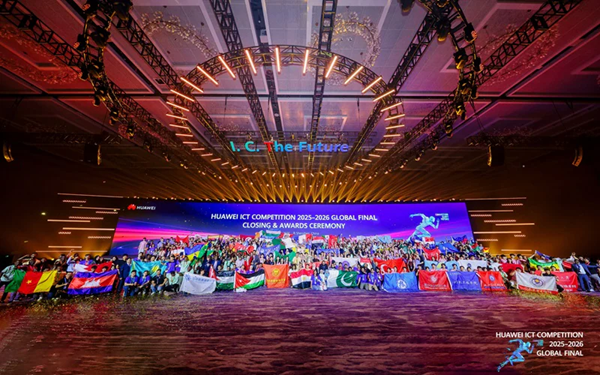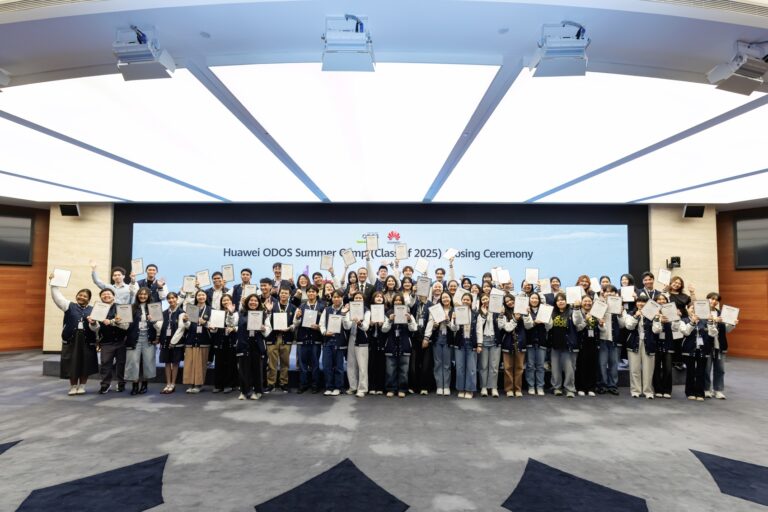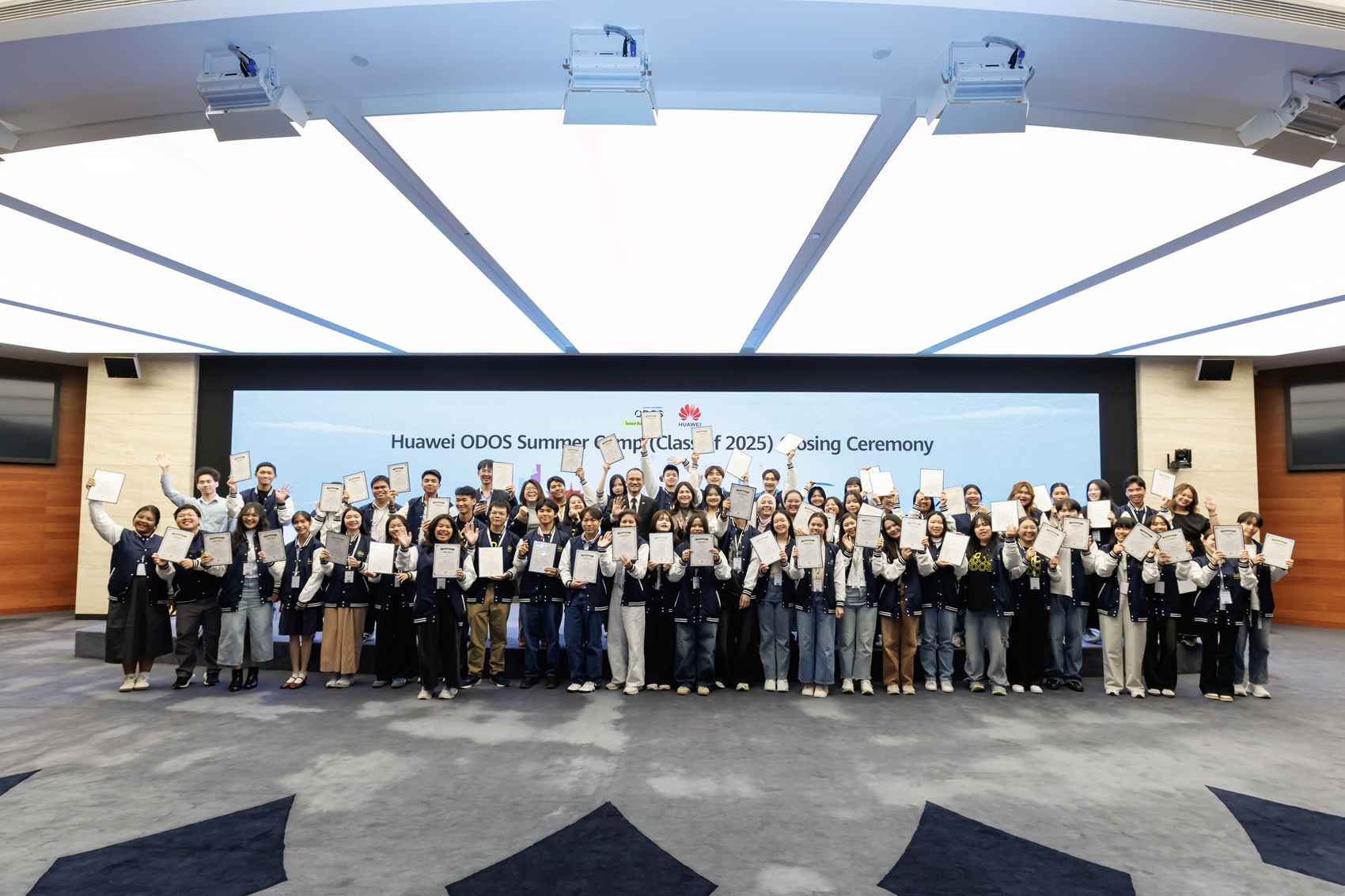
The Digital Economy Promotion Agency (depa) continues to drive Thailand’s digital human capital development in a concrete and impactful manner by leading a group of 50 Thai youth, selected through the “ODOS Summer Camp 2025,” to participate in an immersive technology learning program at the headquarters of Huawei Technologies Co., Ltd. in Shenzhen, China. The program was held from 20 October to 29 November 2025, with strong support and warm hospitality from Huawei Thailand and Huawei Technologies Co., Ltd. in China.
Dr. Warin Ratchananusorn, Acting Deputy Director General of the Digital Economy Promotion Agency (depa) and Project Director of the ODOS Summer Camp, stated that the program was designed to build upon the vision of the One District One Scholarship (ODOS) initiative. The six-week short-term program aims to open future opportunities for Thai youth from 878 districts nationwide and 50 districts in Bangkok, equipping them with essential digital skills aligned with the demands of the modern world and preparing them to embrace future technologies.
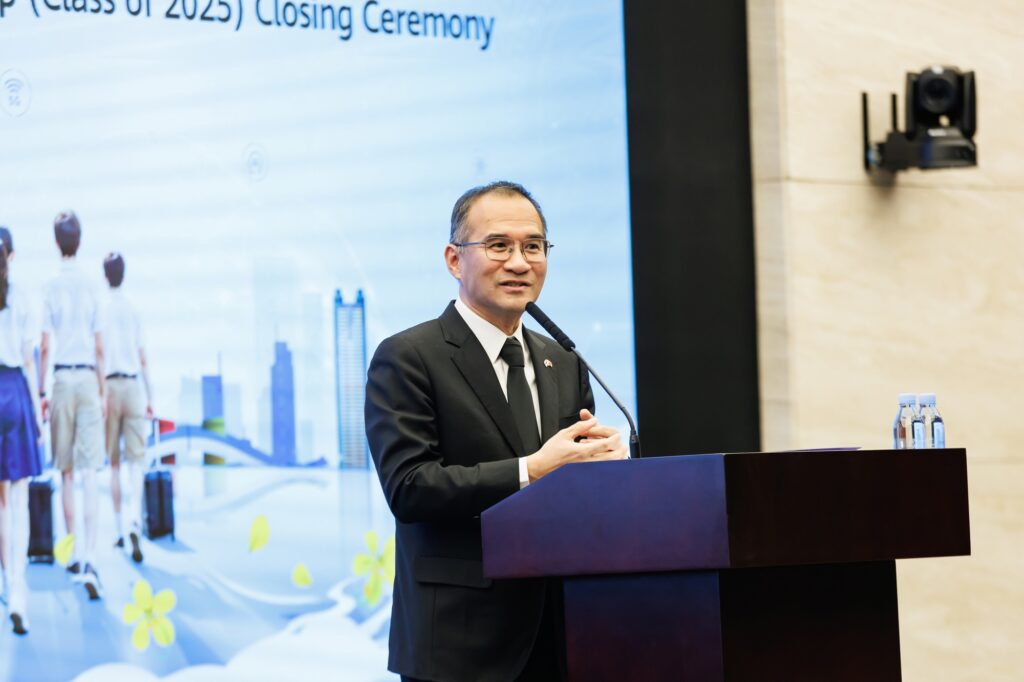
Dr. Warin added that throughout the program, all participants gained valuable experience in living and studying in a leading overseas academic environment, while enhancing their digital capabilities through direct learning from a global technology leader. The experience also helped inspire students in making informed decisions about their future education pathways and career directions.
“depa firmly believes that Thai youth have the potential to grow and create meaningful contributions to the country when they receive appropriate support and opportunities. The ODOS Summer Camp not only provides knowledge, skills, and invaluable experiences, but also helps build confidence, broaden perspectives, and foster inspiration and friendships that will become an important driving force for Thailand’s future development,” Dr. Warin said.
One of the key components of the ODOS Summer Camp is a special curriculum jointly developed by depa and Huawei, based on in-depth research and global best practices. The curriculum integrates four core skill areas: digital knowledge, analytical thinking, creative content creation, and essential personal skills. These are delivered through hands-on learning, expert-led lectures, and real-world experiential activities, enabling all 50 participating youth to engage directly in learning activities at Huawei’s headquarters in Shenzhen during the program period.
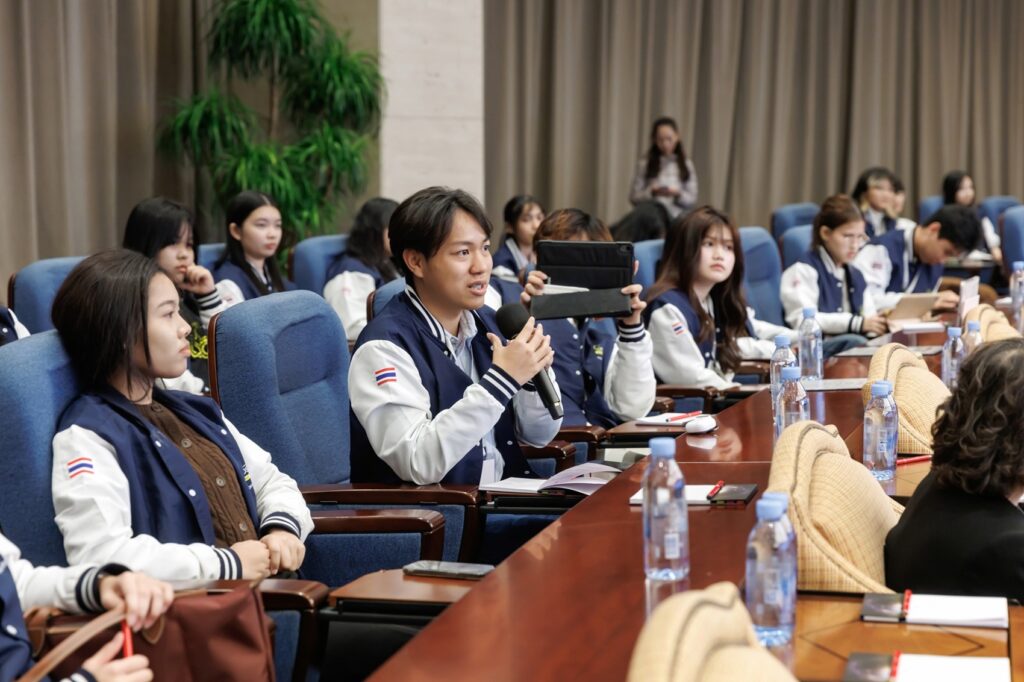
Mr. Techatat Kaewpech, a Grade 11 student at Mahavajiravudh Songkhla School and a participant of the program, shared that he was particularly impressed by the final week of the camp, during which students consolidated their knowledge of AI, IoT, Cloud, and Digital Power gained over six weeks and applied it through a team-based project.
“Although the project work was demanding, stressful, and challenging, it was also enjoyable and taught me the importance of teamwork. My team developed a traffic management project aimed at reducing congestion and was honored with the Excellence Team award. The experience also strengthened my foundation in digital technologies and inspired me to further develop a prototype sensor connected to a Wi-Fi router to detect room occupancy, with plans to expand it to integrate with air-conditioning and lighting systems in the future,” Mr. Techatat said.
Mr. Aritouch Thammapitakporn, a Grade 12 student in the English Plus Program at Suankularb Wittayalai School in Bangkok, said the ODOS Summer Camp left a strong impression on him, particularly the learning format, fellow participants, and mentors. He highlighted the curriculum, which enabled Huawei engineers and developers from various departments to share real-world knowledge in AI, Cloud Computing, IoT, 5G, and emerging technologies.
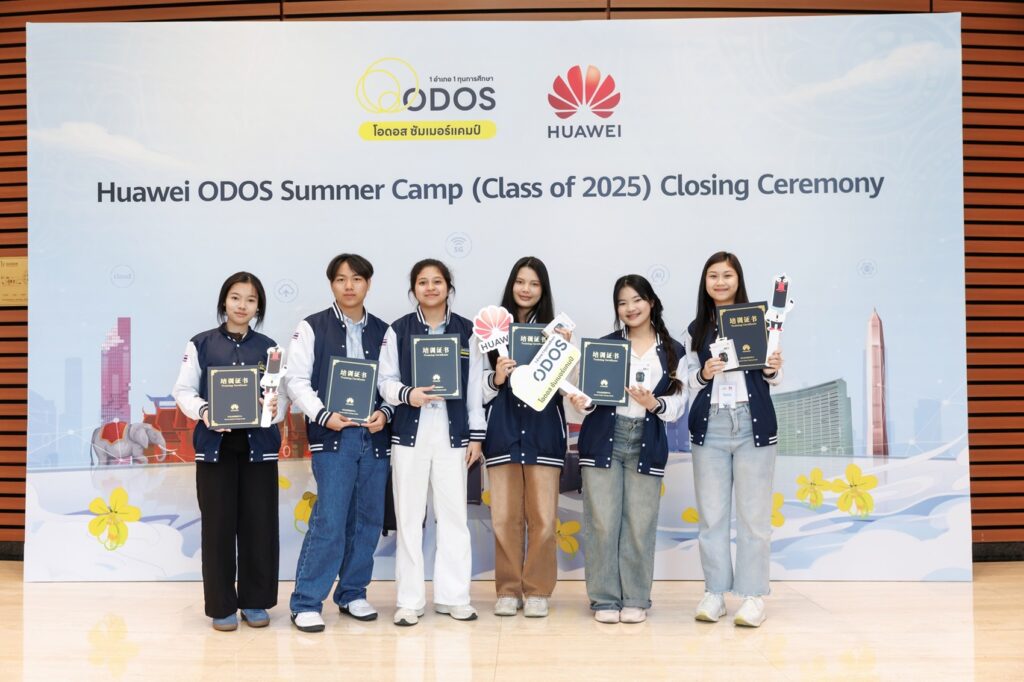
“From my experience learning at Huawei, I realized how rapidly China is advancing in technology, especially Shenzhen, which I see as the Silicon Valley of China. I believe that specialized skills in cybersecurity will be in strong demand in the future and will play a critical role in protecting digital systems and ensuring sustainable national development,” Mr. Aritouch said.
In addition, Huawei organized hands-on experience activities, including guided visits to the Huawei Exhibition Hall every Friday, allowing students to experience cutting-edge technologies shaping the future and clearly connect classroom learning with real-world innovation.
Mr. David Li, Chief Executive Officer of Huawei Technologies (Thailand) Co., Ltd., said, “Huawei is proud to play a part in developing Thailand’s next generation of digital talent through the ODOS Summer Camp. The youth gained hands-on experience with technologies that are shaping the future, including AI, Cloud, 5G, and other emerging technologies. We believe that providing young people with the right skills and international exposure will empower them to drive meaningful change for their communities and for the country in the future.”
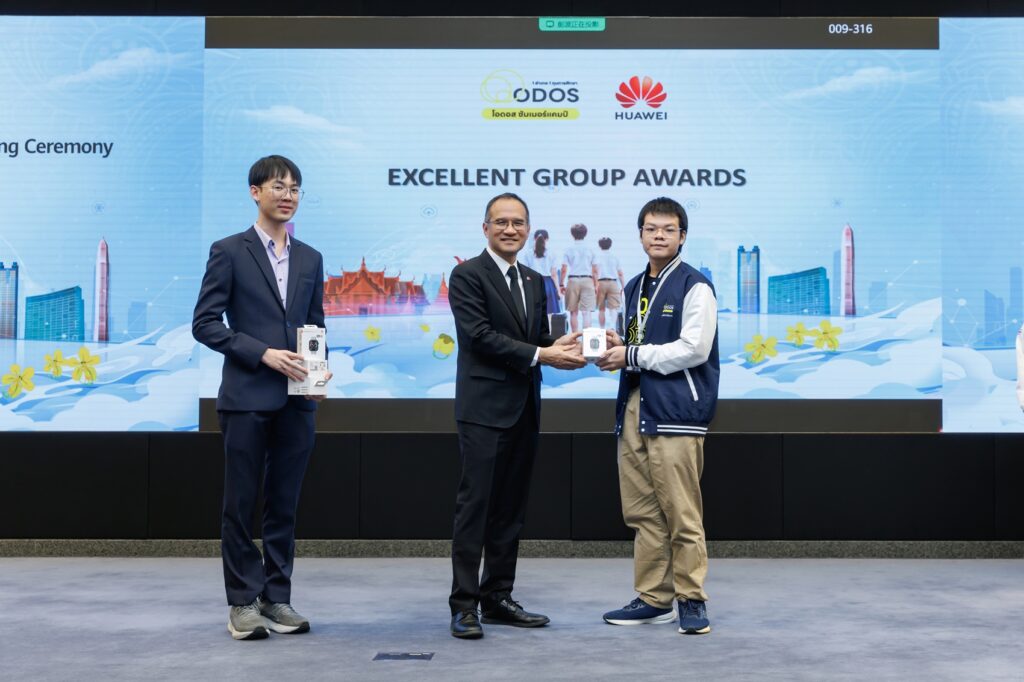
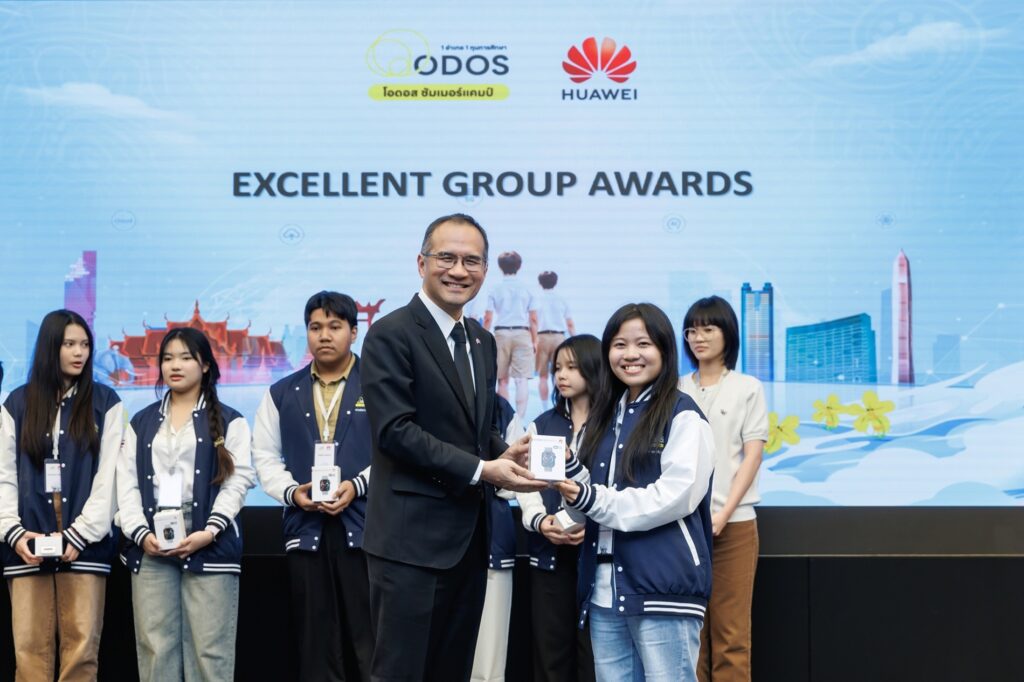
At the program’s closing ceremony, Mr. Kajtiti Wiwatwanont, Consul-General of Thailand in Guangzhou, highlighted Guangdong Province as a long-standing engine of China’s economic growth and a hub of high-quality development driven by R&D, technology, and innovation—areas that Thailand must actively connect with. He emphasized that today’s youth must not be mere users of technology, but must develop the capability to innovate, paving the way for future career opportunities and strengthening the nation’s competitiveness.
The collaboration between depa and Huawei in the ODOS Summer Camp 2025 reflects Thailand’s strong commitment to sustainable digital human capital development. The initiative nurtures high-quality talent to support the country’s evolving economy and emerging industries, while empowering Thai youth to step confidently onto the global stage. The program stands as a strong example of Learning Through Experience and Problem-Based Learning, broadening perspectives, unlocking potential, and laying a solid foundation for future education pathways, careers, and national development.